


When you picture solar power, chances are you conjure up images of large solar panels spanning the length of a rooftop or a large solar farm out in a field.

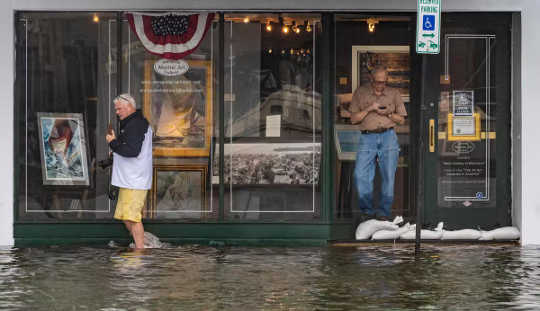
Waterfront homes are selling within days of going on the market, and the same story is playing out all along the South Florida coast at a time when scientificreportsare warning about the rising risks of coastal flooding as the planet warms.

Brace yourselves, allergy sufferers – new research shows pollen season is going to get a lot longer and more intense with climate change.

This isn’t the first time that Britain has experienced drastic climate change, however. By the 16th and 17th centuries, northern Europe had left its medieval warm period and was languishing in what is sometimes called the little ice age.
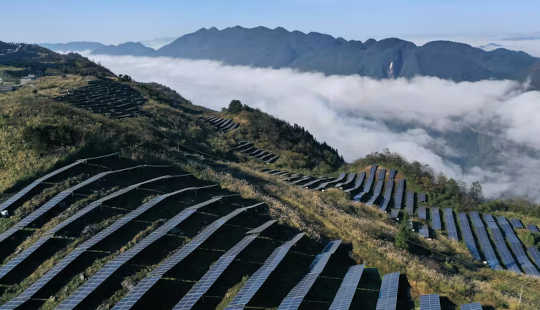
China has more solar power capacity than any other country and makes many of the world’s solar cells, but coal is still its top energy source.
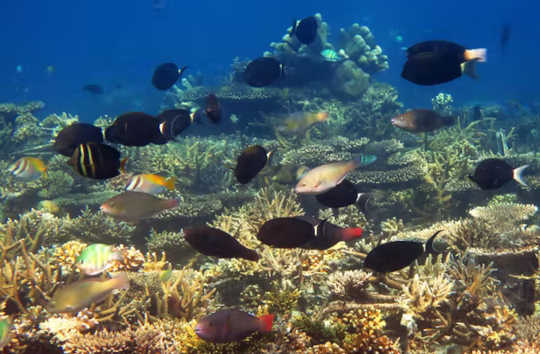
Coral reefs have long been regarded as one of the earliest and most significant ecological casualties of global warming.

Humans have cooked with fire for millennia, but it may be time for a change. Natural gas appliances warm the planet in two ways: generating carbon dioxide by burning natural gas as a fuel and leaking unburned methane into the air.
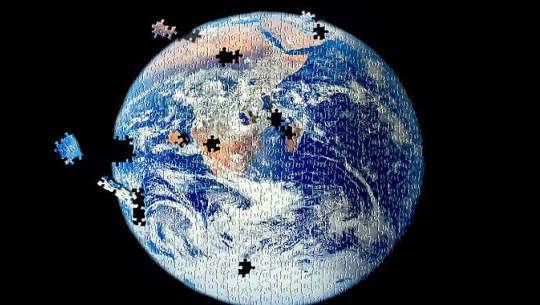
It’s a common argument among climate deniers: scientific models cannot predict the future, so why should we trust them to tell us how the climate will change?

More people are going to hospital, compared with 20 years ago. It turns out, that’s not the only surprise in this new report. Here’s how else climate change is affecting health in Britain.
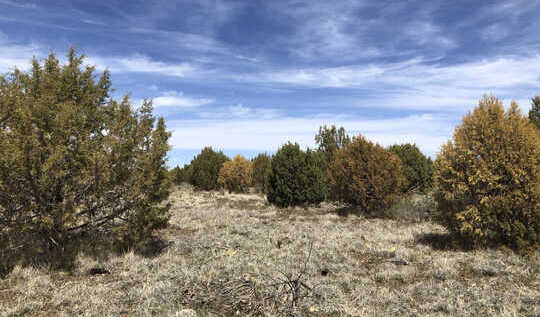
Like humans, trees need water to survive on hot, dry days, and they can survive for only short times under extreme heat and dry conditions.
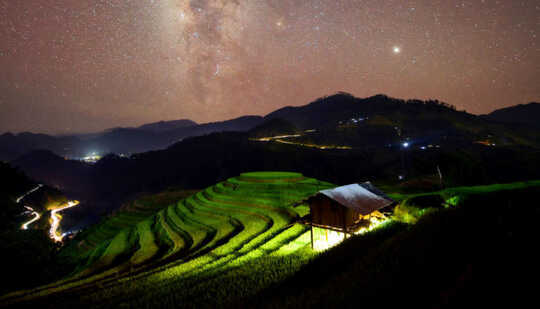
New research clarifies how hot nights are curbing crop yields for rice.
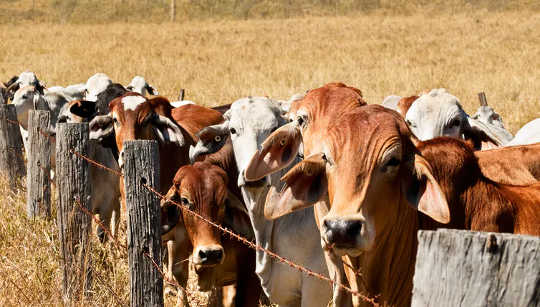
The National Farmer’s Federation says Australia needs a tougher policy on climate, today calling on the Morrison government to commit to an economy wide target of net-zero greenhouse gas emission by 2050.
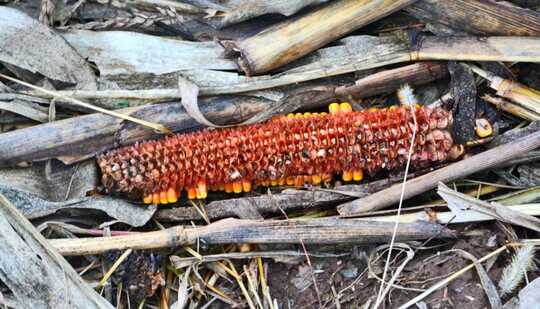
Plant materials that lie to rot in soil makes good compost and play a key role in sequestering carbon, research finds.
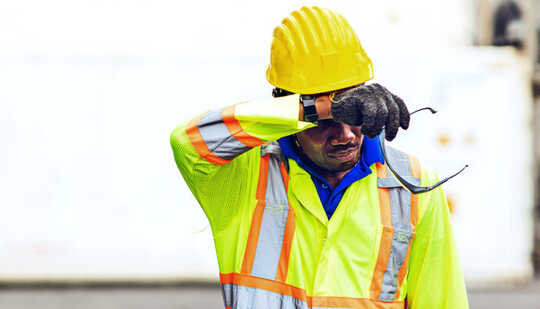
Summer is upon us and things are heating up, literally. That’s worrisome given the effect that heat has on human health, both on the body and the mind.
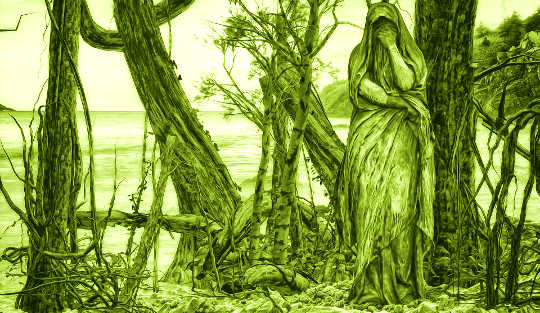
The fact that humans contribute to the warming of our planet is nothing new. Scientists have been telling us about the human-climate change connection for years, but now they can say for certain that we are responsible for “drought”.
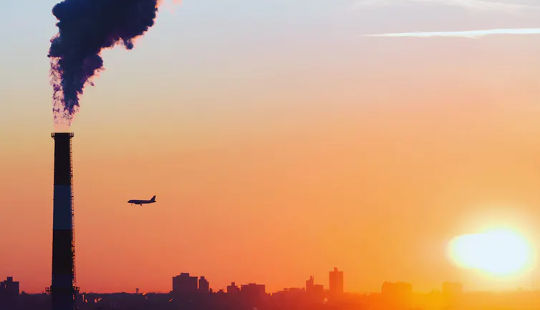
Sometimes realisation comes in a blinding flash. Blurred outlines snap into shape and suddenly it all makes sense. Underneath such revelations is typically a much slower-dawning process.

When President Joe Biden took Ford’s electric F-150 Lightning pickup for a test drive in Dearborn, Michigan, in May 2021, the event was more than a White House photo op.
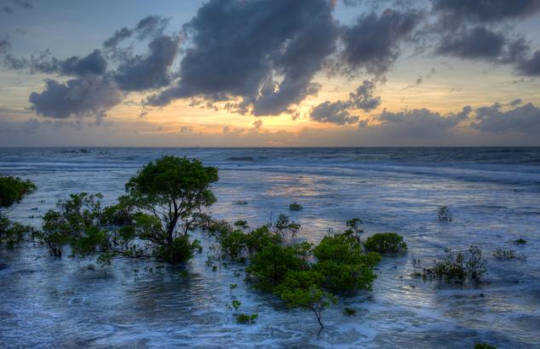
Chair Raul Grijalva (D-AZ) along with 25 original cosponsors has reintroduced the Ocean-Based Climate Solutions Act on World Oceans Day, June 8th,2021. This is the type of visionary bill we need for this moment, recognizing that the ocean is a powerful source of solutions to the climate crisis.

Would it be helpful to undertake a nationwide and coordinated mass planting of trees and plants that are known to have a high uptake of carbon dioxide such as paulownia and hemp alongside the attempts to plant natives?
When you picture solar power, chances are you conjure up images of large solar panels spanning the length of a rooftop or a large solar farm out in a field.
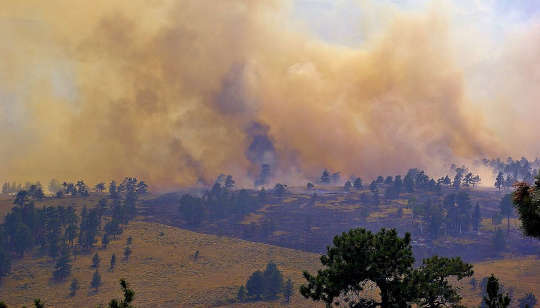
The Western U.S. appears headed for another dangerous fire season, and a new study shows that even high mountain areas once considered too wet to burn are at increasing risk as the climate warms.
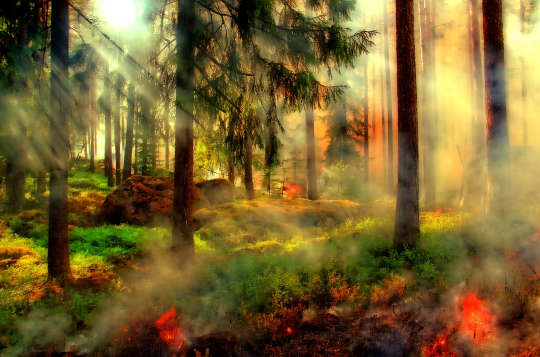
Just about every indicator of drought is flashing red across the western U.S. after a dry winter and warm early spring. The snowpack is at less than half of normal in much of the region.
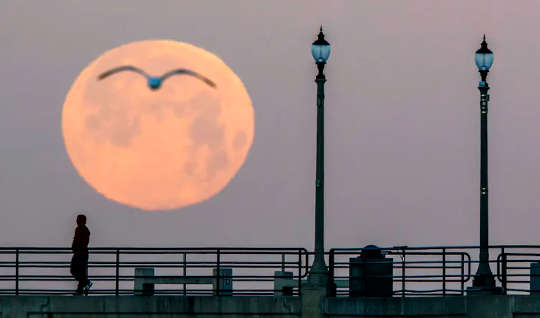
A “super full moon” is coming, and coastal cities like Miami know that means one thing: a heightened risk of tidal flooding.
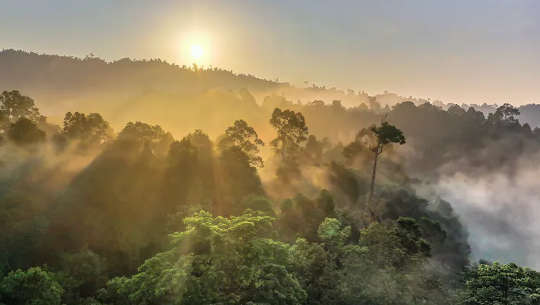
Our society asks so much of these fragile ecosystems, which control freshwater availability for millions of people and are home to two thirds of the planet’s terrestrial biodiversity.